
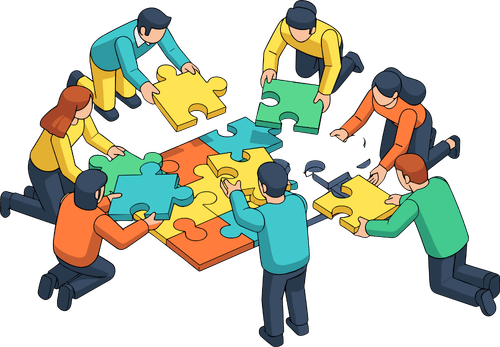
When teams talk about capacity, it’s usually about hours. How many hours are available this week? How many hours does this project take?
When you stop and think, it makes sense: if the numbers match, the plan should work. But it’s not as simple as this.
Employee capacity is not just about numbers. It’s also about people. You can never treat everyone as identical blocks of time that can be moved around. This is because their energy levels, focus, motivation, and unexpected tasks will determine what the person can realistically do.
If capacity planning only focuses on the hours, it misses many important aspects that determine whether work gets done.


Why “available hours” can be misleading
Let’s assume someone has 40 hours available this week. That doesn’t directly mean they have 40 fully productive, focused hours for work. Meetings take up part of their day, context switching slows their work down, support requests might pop up, etc. Also, not all hours are equal: some tasks require creative thinking, others require precision.
There’s also the human side: people get tired, stressed, or disengaged when workloads are stretched too thin too often. Planning at 100% capacity may look efficient, but it often fails in practice.
Over time, this leads to:
- - Missed deadlines
- - Lower quality of work
- - Frustrated teams
- - Silent burnout
At the end, plans fail not because people weren’t working hard enough, but because they assumed people could function like perfectly predictable resources.

Capacity is more than tasks
Real employee capacity is not just about the tasks.
Support, communication, onboarding, handovers, fixes, and ad-hoc requests all consume time and energy. These aspects are often overlooked or do not show up exactly as they are in the plans.
There’s also the difference between being “busy” and being effective. Someone can be fully booked and still not make meaningful progress because of constant task switching.
Planning around people means acknowledging these factors.
Skills and fit matter
Two people with the same availability of hours aren’t equal in the capacity for the same work.
Experience, confidence, familiarity with the work, and even working style affect how long it takes for each to complete a task. A task that takes one person four hours might take another an entire day.
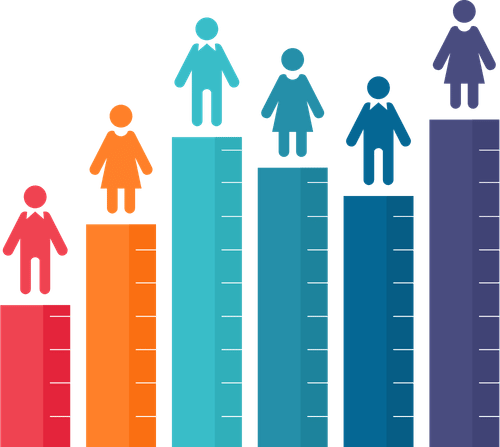
Ignoring skill fit often leads to unrealistic expectations or uneven workloads. Some team members end up overloaded, while others are underutilized.
Good capacity planning considers who is best suited for the work, not just who has free time.
The cost of ignoring human limits
Treating teams as endlessly resilient has consequences.
They stop raising concerns. Delays become normal. Stress becomes part of the culture and not a red flag. Performance drops and even small changes feel overwhelming.
That’s why planning around people is important. It leaves SPACE. Space to think, to recover, and to handle the unexpected.

Visibility changes everything
Employee capacity is hard to see. Work is spread across tools, calendars, and conversations. Without visibility, planning is guesswork.
When teams can clearly see upcoming workloads and commitments, discussions become more honest. It’s easier to ask questions like:
- - Who is close to overload?
- - What work is competing for the same attention?
- - Where do we need to slow down or adjust?
Tools like CapaPlanner help by connecting capacity with real workloads. The goal isn’t to squeeze more out of people. It’s to plan in a way that people can realistically handle work.
Planning for sustainability
Employee capacity planning works best when it accepts imperfection. Plans will change. Priorities will shift. Unplanned work will appear.
Instead of aiming for perfectly filled schedules, aim for balance. Instead of reacting when things break, anticipate pressure early. Instead of measuring success by busyness, measure it by progress and team well-being.
When planning starts with people, work gets more manageable.
In the end, capacity planning isn’t about controlling time but respecting the humans behind it.
Don't forget to share!